Trying to choose between a townhome and a cottage in East Nashville? You are not alone. This is one of the most common local buyer decisions because East Nashville is not a one-style housing market, and the right fit often comes down to how you want to live day to day, not just how many bedrooms you need. In this guide, you will learn how to compare maintenance, monthly cost, outdoor space, parking, renovation potential, and long-term flexibility so you can make a smarter decision with confidence. Let’s dive in.
Why this choice is so local
East Nashville sits just east of downtown, covers about 21 square miles, and includes a mix of historic urban residential neighborhoods and more classic suburban-style areas. That variety is exactly why buyers often end up comparing a newer townhome to an older cottage on a block-by-block basis.
Metro planning materials also emphasize walkability, connectivity, and a mix of housing types. In practical terms, that means your lifestyle may matter just as much as the home itself. You may prefer a detached cottage with a yard, or you may decide a townhome near a walkable corridor or open space fits you better.
Another local factor is access to public green space. Shelby Park and Shelby Bottoms make up a 1,296-acre park and greenway system, which can change how much private outdoor space you really need.
Townhomes vs cottages at a glance
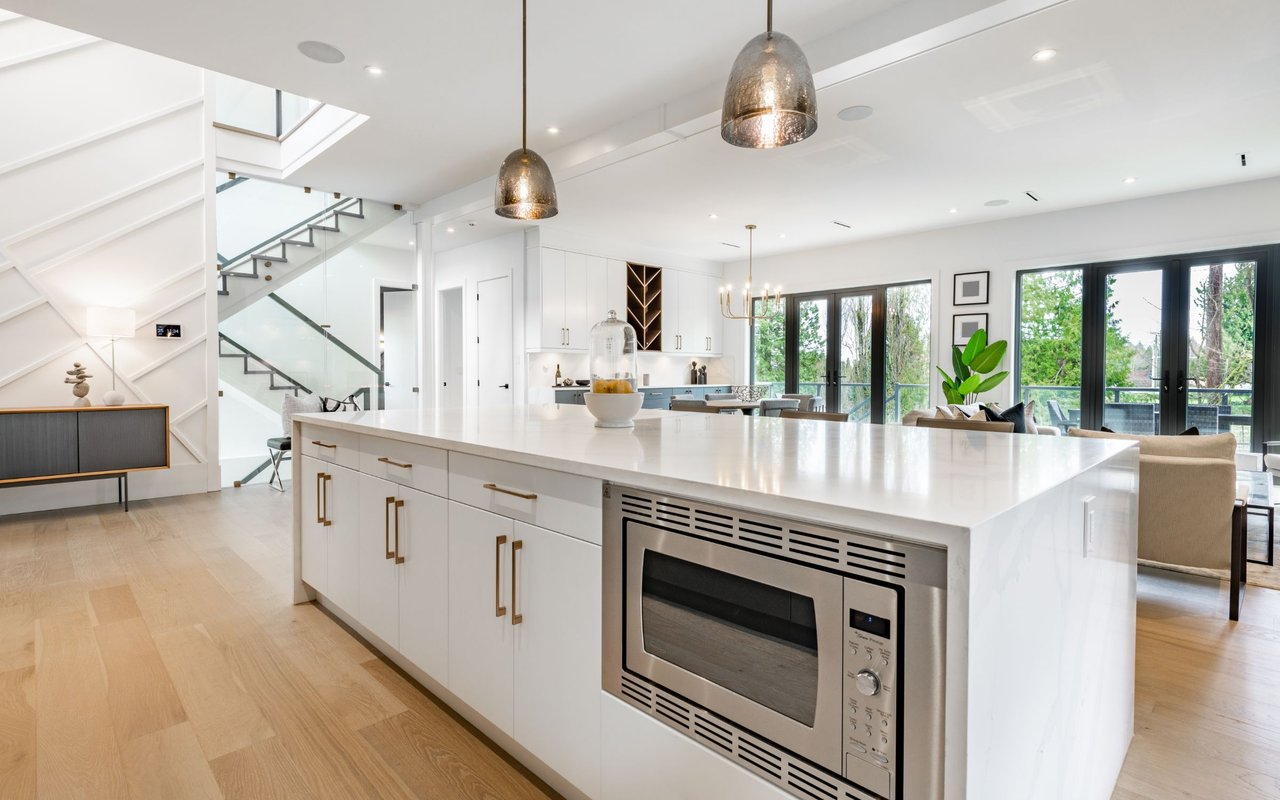
If you want the shortest version, the choice usually comes down to convenience versus control. A townhome often offers a more turnkey experience, while a cottage often offers more character and a more traditional detached-home feel.
Here is a simple side-by-side view:
| Feature | Townhome | Cottage |
|---|---|---|
| Home style | Usually attached with shared walls | Usually detached on its own lot |
| Maintenance | Often more predictable if shared services exist | More owner-managed maintenance |
| Monthly costs | Mortgage plus possible HOA dues | Mortgage plus direct repair and upkeep costs |
| Outdoor space | Often smaller private outdoor area | Often more private yard space |
| Parking | Varies, confirm actual off-street spaces | Varies, with possible room for future changes if permitted |
| Renovation flexibility | May be more limited by layout or association structure | May offer more renovation upside, subject to permits and overlays |
| Typical appeal | Lower-maintenance lifestyle, newer layout | Character, detached-home feel, long-term customization |
Compare your monthly cost carefully
The monthly payment is not always as simple as comparing sale prices. With many townhomes, you also need to account for HOA dues in addition to your mortgage.
Consumer guidance notes that HOA dues are usually separate from the mortgage and can range from a few hundred dollars to more than $1,000 per month. If you are comparing a townhome to a cottage, make sure you compare the full monthly housing cost, not just the loan payment.
That said, a cottage can bring less predictable repair timing because there may be no association handling shared exterior items. You are more likely to own the repair schedule directly, which can affect your budget over time.
What to ask about HOA costs
Before you fall in love with a townhome, ask for specifics about the dues. The key is not just the amount, but what the fee actually covers.
Ask questions like:
- What does the HOA fee cover?
- Are exterior elements maintained through the association?
- Are there any special assessments or planned major projects?
- What happens if dues increase over time?
Think beyond square footage
In East Nashville, square footage does not tell the whole story. A smaller townhome in a highly connected area may feel more useful to you than a larger cottage farther from the places you visit most.
Metro’s planning framework highlights neighborhood centers, walkability, and a mix of uses. That helps explain why some buyers are comfortable trading a larger private lot for easier access to parks, sidewalks, and nearby destinations.
When a townhome may fit better
A townhome may be the better fit if you want a newer layout, a simpler exterior maintenance routine, and a more predictable day-to-day ownership experience. This can be especially appealing if your schedule is full or you want less weekend project time.
Newer homes may also have advantages in energy performance and utility predictability, depending on the specific build. Certified new homes are designed for strong energy savings, comfort, health, and durability, so a newer townhome may offer practical efficiency benefits.
When a cottage may fit better
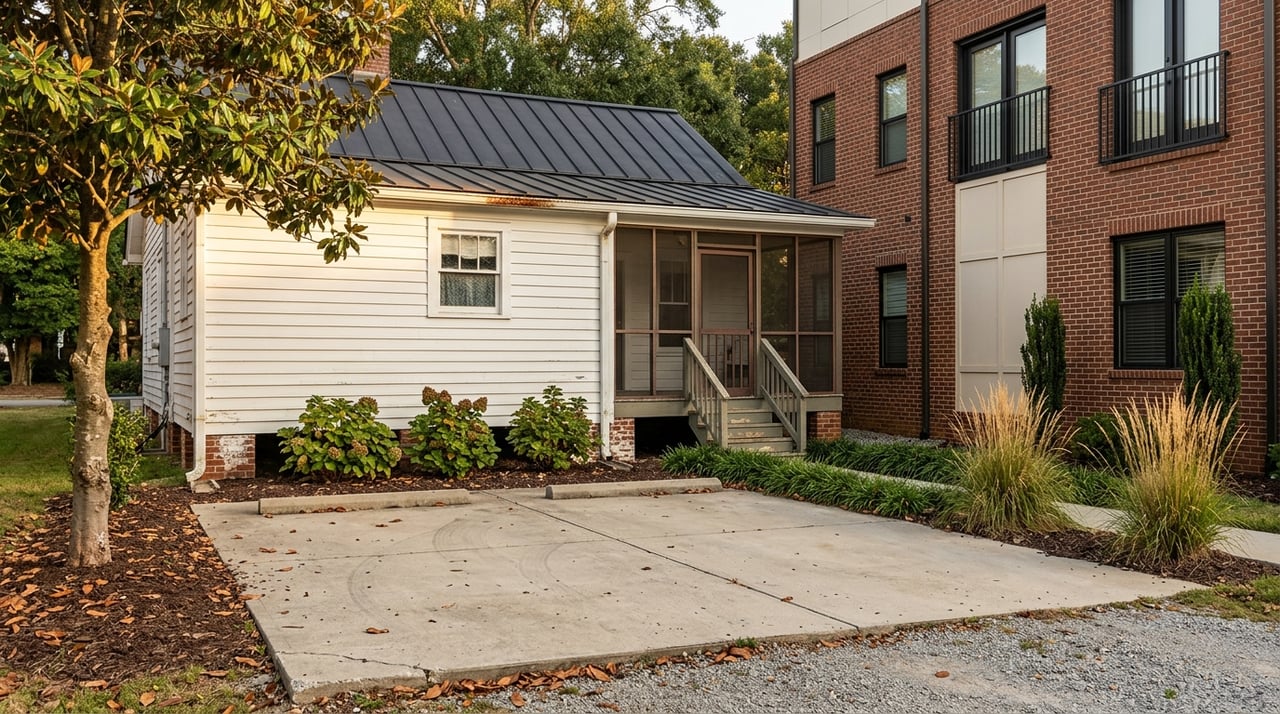
A cottage may work better if you value character, privacy, and the feel of a detached home. Many buyers also like the idea of having more direct control over the property and the possibility of future improvements.
That upside can be meaningful, but in East Nashville it is never unlimited. Renovation potential depends on zoning, setbacks, permit rules, and whether the property falls within a historic overlay.
Outdoor space matters differently here
Private outdoor space is important, but in East Nashville the value of that space depends on your habits. If you want a garden, room for pets, or a detached-home setting, a cottage may feel like the better match.
If you spend more time walking the neighborhood or using nearby parks and greenways, a townhome with a smaller yard may still check the right boxes. The nearby public space network can reduce the need for a large private lot for some buyers.
Confirm what you can add later
Do not assume you can easily add the outdoor features you want after closing. In Nashville, permits are required for attached decks or patios, new accessory structures like garages and carports, and conversions of accessory space to habitable space.
Metro also reviews setbacks and site plans during permit processing. So if you are buying with future plans in mind, it is smart to confirm what is already there and what may actually be allowed later.
Parking can be a deciding factor
Parking is one of the most overlooked parts of this decision. In compact East Nashville neighborhoods, the number of off-street spaces that come with the property can shape your daily routine more than buyers expect.
With a townhome, parking may be clearly assigned, limited, or shared depending on the development. With a cottage, you may have more flexibility in theory, but future additions like a garage or carport are still subject to Metro permit rules.
Before you write an offer, confirm:
- How many off-street parking spaces come with the property
- Whether guest parking exists, if applicable
- Whether a garage or carport could be added later, if that matters to you
- Whether site constraints or setbacks limit future parking changes
Historic overlays can change your options
This is one of the biggest East Nashville details buyers miss. Some areas in and around East Nashville, including places like Eastwood and Lockland Springs-East End, are in historic overlay districts.
In those areas, exterior alterations, additions, and some other work require a Preservation Permit before the building permit process is completed. Work done without the permit, or contrary to the permit, is considered a violation.
That does not mean you should avoid cottages or older homes in these areas. It simply means you should verify the parcel-specific overlay status before assuming you can add a porch, deck, garage, or major addition.
Renovation potential is not the same as renovation ease
Many buyers are drawn to cottages because they see upside. That can be true, especially if you want more character and a long-term project you can shape over time.
But the better question is whether you can improve the property comfortably within East Nashville’s local rules. A home may have potential on paper, but zoning, overlay restrictions, setbacks, flood status, and permit requirements all affect what is realistic.
Townhomes, on the other hand, often appeal to buyers who want less uncertainty. If you want a home that feels more turnkey from day one, a newer townhome may offer more peace of mind.
Check flood status before you offer
Flood status is worth checking whether you are looking at a townhome or a cottage. Metro planning materials identify floodway and floodplain areas as important to protect, so homes near lower-lying sections should be reviewed carefully.
This matters not just for location awareness, but also for future improvement plans. If you are considering additions or exterior changes later, flood status may affect what is feasible.
A simple way to decide
If you are still torn, focus on how you want your week to feel. The best home is usually the one that matches your real routine, your budget comfort level, and your tolerance for future projects.
A townhome often fits best if you want:
- Lower exterior maintenance
- A more predictable ownership structure
- A newer layout and possibly newer systems
- Less day-to-day property management
A cottage often fits best if you want:
- A detached-home feel
- More character
- More private outdoor space
- Renovation upside, if local rules allow it
Questions to answer before writing an offer
No matter which type you prefer, a few due-diligence questions can save you time, money, and stress later. These are especially important in East Nashville because permitting, overlays, maintenance history, and site conditions can vary so much from one property to the next.
Ask these questions before you move forward:
- What does the HOA fee cover?
- Is the property in a historic overlay or other design overlay?
- Can you add a deck, fence, garage, or addition later?
- What is the recent maintenance history for the roof, HVAC, plumbing, and exterior?
- How many off-street parking spaces actually come with the property?
- Is the parcel in or near a floodplain?
If you want a thoughtful, block-by-block strategy for buying in East Nashville, Tammi Weed can help you compare the real tradeoffs and find the home that fits your lifestyle with white-glove guidance from start to finish.
FAQs
What is the main difference between an East Nashville townhome and cottage?
- A townhome usually offers a more turnkey, lower-maintenance experience, while a cottage usually offers a detached-home feel, more character, and possible renovation upside.
How should you compare monthly cost for an East Nashville townhome vs cottage?
- You should compare the full monthly housing cost, including mortgage, HOA dues if any, utilities, and expected maintenance or repair costs.
Why do historic overlays matter when buying in East Nashville?
- Historic overlays can affect exterior changes and additions because some work requires a Preservation Permit before the building permit process is completed.
Can you add a deck, garage, or carport to an East Nashville property later?
- Possibly, but Metro permits are required for many of these projects, and setbacks, site plans, and overlay rules may limit what is allowed.
Does a newer East Nashville townhome usually cost less to maintain?
- It may offer more predictable maintenance and utility costs, but actual costs still depend on the specific property, HOA structure, and build quality.
Should you check flood status for an East Nashville townhome or cottage before making an offer?
- Yes. Floodplain or floodway conditions can affect both risk awareness and what improvements may be feasible later.