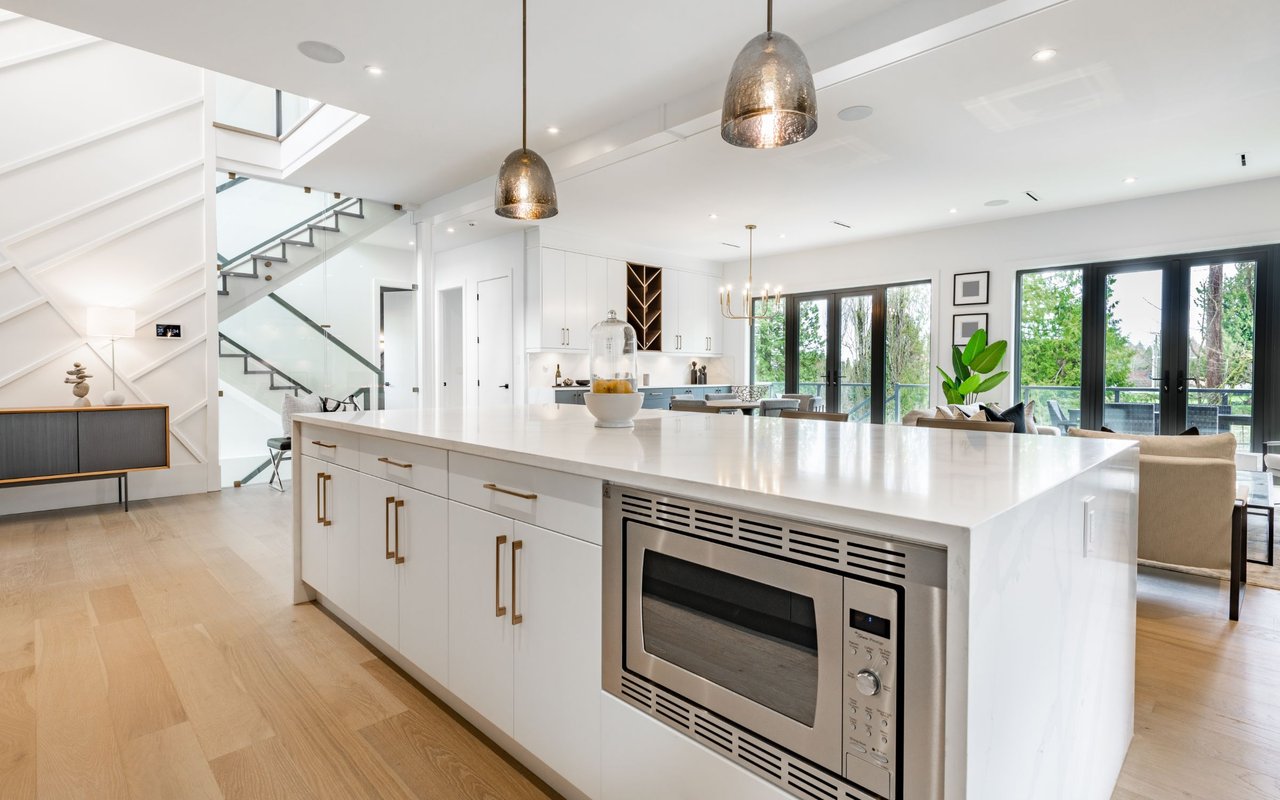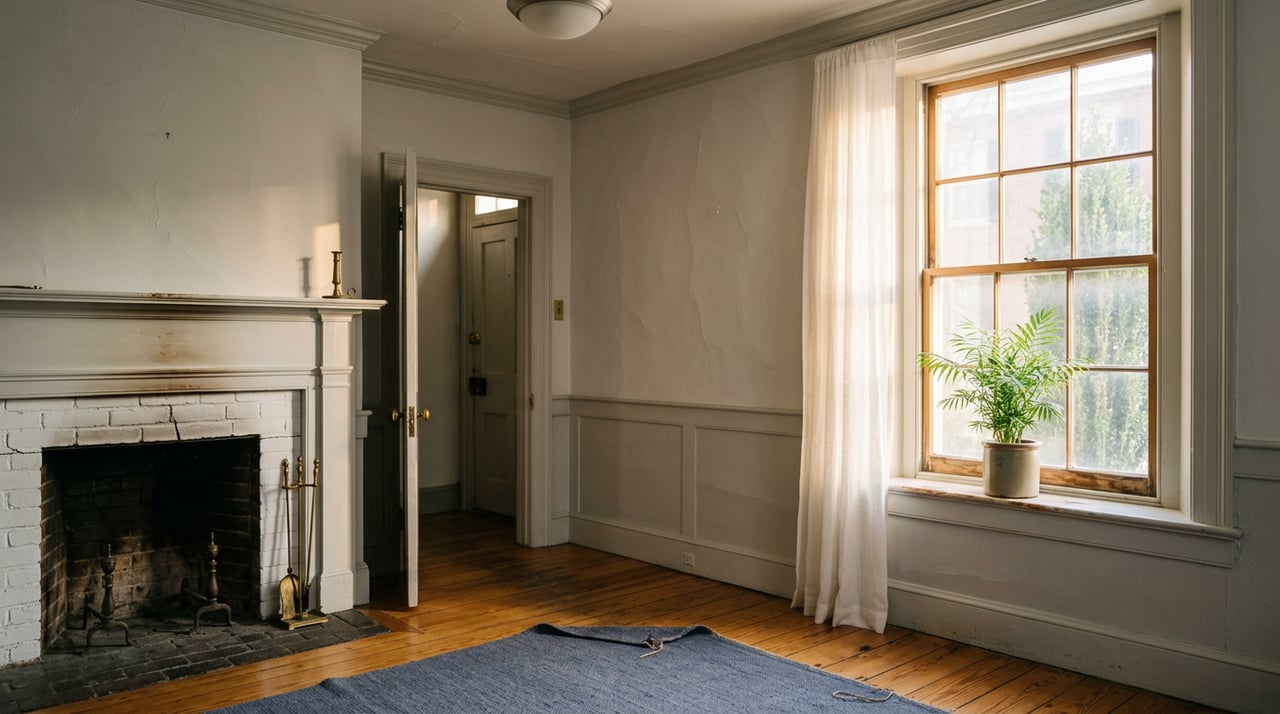
You're comparing a resale listing in Historic Downtown Franklin against something similar in another Williamson County pocket, and the seller's sheet lists "current annual taxes" next to a note about the county's new, lower rate. It reads like good news. The rate did fall. The key question is whether that particular house's own value climbed enough during this year's reappraisal to offset the rate reduction.
That gap between the rate everyone's been talking about and the bill you'll actually get is worth considering when buyers compare Franklin neighborhoods. Another useful comparison is what's currently for sale versus what actually closed here over the past year.
What the County Commission Actually Voted On
Tennessee reappraises property values, and Williamson County's FAQ says the county's turn came in 2025, following the previous cycle in 2021. On June 20, 2025, the Williamson County Commission passed its fiscal year 2026 budget, which set the county's certified property tax rate at roughly $1.27 to $1.30 per $100 of assessed value, down from $1.83 in the prior year. News coverage at the time framed it as a cut from $1.88 to $1.30. The county's own historical rate table lists the certified totals as $1.83 falling to $1.27. Both describe the same mechanism: a reduction of about 30 percent in the combined county rate, timed to land the same year property values across the county were reset.
That timing isn't a coincidence. When a reappraisal pushes assessed values up across the board, state law expects the taxing body to bring the rate down so the county isn't collecting a windfall just because home values rose. The City of Franklin did the same thing on its own line item, with its rate falling from $0.3261 to $0.2960 over the same period.
Put those together and the combined rate that applies inside Franklin's city limits dropped from about $2.16 per $100 of assessed value to about $1.57. On paper, that's real relief.
A tax rate falling is not the same claim as a tax bill falling. One describes what the county charges per dollar of assessed value. The other depends entirely on what happened to your specific dollar of assessed value in between.
The Math That Decides Which Story Is True for Your House
According to Property Tax Almanac, Tennessee assesses residential property at 25 percent of its appraised value, so the rate applies to a quarter of what the county says your home is worth, not the full figure. Here's what that means using round numbers for a hypothetical Downtown Franklin home appraised at $800,000 before the 2025 reappraisal.
| Appraised Value | Assessed Value | Combined Rate | Annual Tax Bill | |
|---|---|---|---|---|
| 2024 (pre-reappraisal) | $800,000 | $200,000 | $2.1561 / $100 | $4,312 |
| 2025, if value rose with the county's last average (32%, from the 2021 cycle) | $1,056,000 | $264,000 | $1.5660 / $100 | $4,134 |
Even assuming this house appreciated at the exact rate Franklin saw citywide in its last reappraisal cycle, the bill only drops about 4 percent, not the 27 to 30 percent the rate change implies. Run the same numbers forward and you can find the break-even point directly: at roughly 38 percent appraisal growth, the bill lands back where it started. Above that line, a homeowner's bill goes up even though the rate went down. Below it, they get real savings.
That threshold matters specifically in the historic core, where renovated historic properties in the Federal, Greek Revival, Victorian, and Craftsman styles that line streets like Lewisburg Avenue and Adams Street have reportedly drawn multiple offers and sold quickly, keeping upward pressure on values in exactly the kind of address most likely to sit above the county average. None of this is tax advice. Confirm your own property's actual reassessment figure with the Williamson County Assessor of Property before budgeting against it.
A Different Comparison: Listings vs. Closings
The rate-versus-bill gap has a cousin in the same neighborhood, and it shows up the moment you compare what's currently listed to what has actually sold.
Snapshot the active inventory in Historic Downtown Franklin on any given week and you'll find a small pool of listings with a median asking price north of $1.6 million. Pull the trailing twelve months of closed sales for the same district and the median lands closer to $675,000, with an average closer to $927,000 across roughly 400 transactions and price points ranging from the mid-$100s per square foot up into the $800s.
That's not a market correcting itself in real time. It's a mix effect. The properties sitting on the active list at any moment skew toward the slower-moving end of the spectrum: showpiece historic homes and new construction at the higher end, including The Margin District, a mixed-use project one block south of Five Points delivering 25 luxury condominiums between roughly 2,000 and just over 3,000 square feet, each with a private terrace, two parking spaces, and about 100 square feet of storage, priced from above $2 million. As of early 2026, 13 of those 25 units had already presold ahead of a targeted 2027 delivery.
Meanwhile, the homes that actually change hands most often, the smaller cottages and bungalows on the district's quieter side streets, tend to move fast enough that they're rarely sitting on the active list long enough to pull the median up. Faster-selling inventory pulls itself out of the "what's listed right now" snapshot before it can weigh on that number, leaving the slower-moving luxury end to dominate what a buyer sees when they check current listings.
What that means for anyone comparing Downtown Franklin to another Williamson County option:
- The $1.6 million-plus figure you'll see on an active-listings search describes what's currently sitting unsold, not what typically trades
- The $675,000 median from actual closings is the better anchor for what a realistic entry point into the historic district has looked like over the past year
- Both numbers are accurate. They're just answering different questions
What to Check Instead of the Headline Number
If you're sizing up Historic Downtown Franklin against another neighborhood, two things are worth pulling directly rather than trusting the number that shows up first in a search.
Ask for the specific property's notice of assessed value from this reappraisal cycle, not just its most recent tax bill. The bill reflects the old rate and the old value. The notice reflects the new value the current rate will actually apply against.
Ask your agent to pull closed comps from the trailing 12 months rather than leaning on whatever happens to be actively listed that week. In a district this small, with roughly 400 closings a year across a wide range of home types, from compact in-town cottages to multi-acre estate lots on Lewisburg Avenue, the active list on any given day is too thin a slice to represent the whole market.
Frequently Asked Questions
Does the county's rate cut mean my Downtown Franklin tax bill will definitely go down? Not automatically. It depends on how much your specific property's assessed value changed in the 2025 reappraisal relative to the rate reduction. A property whose value grew close to or above the county's historical average from the last cycle can see a bill that holds steady or rises even with a lower rate applied.
Where do I find my property's actual reassessed value? The Williamson County Assessor of Property issues individual notices as part of the reappraisal process. Your county tax bill, once mailed, will reflect the new certified rate applied to that new assessed value.
Is $675,000 a realistic starting point if I want to buy in the historic core right now? It reflects the median of what actually closed across the district over the trailing 12 months, which is a wider and more useful range than the smaller, pricier pool of homes sitting on the active market at any single moment. Actual availability at any given time will depend on what's listed when you're looking.
Numbers like these are exactly why it helps to have someone local doing the comparison with you instead of reading it off a portal. The Tammi Weed team works this market from a base in Franklin and can walk you through what a specific address's reassessment actually means for your budget, alongside real closed comps instead of whatever happens to be active this week. Schedule a white-glove consultation and bring the listing sheet that's been bothering you.